
Introduction
In the realm of modern construction and industrial projects, the concept of labor camps has evolved significantly. Traditionally viewed as makeshift accommodations with minimal amenities, labor camps are now being recognized as essential components for fostering worker satisfaction and productivity. As industries grow and adapt to new challenges, the demand for customized labor camps has surged. Lida Group, a leading player in the modular construction sector, is at the forefront of this transformation. This article delves into the rise of customized labor camps, showcasing Lida Group‘s innovative approach to creating comfortable, efficient, and adaptable living spaces for workers.
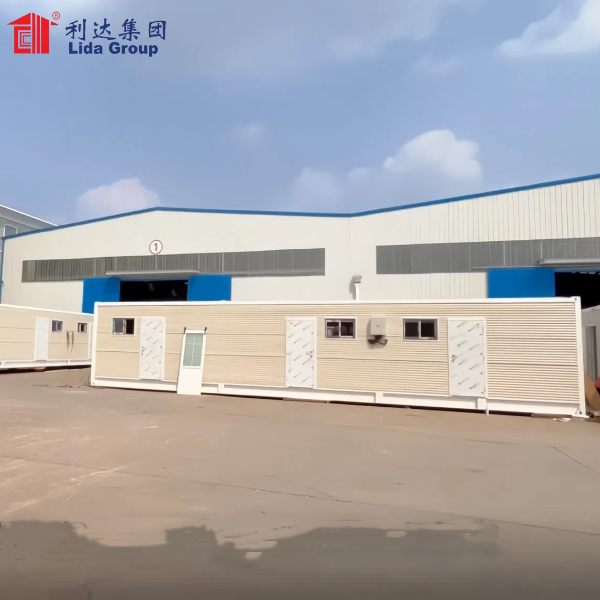
Understanding Labor Camps
The Purpose of Labor Camps
Labor camps serve as temporary housing solutions for workers engaged in projects in remote or rural areas. These camps provide essential shelter, food, and basic amenities, enabling a workforce to remain close to their place of employment, particularly in industries such as construction, mining, and agriculture. However, the quality of living conditions in these camps has historically varied, leading to concerns about worker welfare and overall productivity.
The Transition from Basic to Customized Accommodations
The evolution of labor camps reflects a broader shift in the understanding of worker rights and welfare. In recent years, there has been a growing recognition that comfortable living conditions can significantly impact employee satisfaction and retention. Consequently, many companies are transitioning from basic, often overcrowded facilities, to customized labor camps that prioritize comfort, functionality, and community.
The Need for Customization in Labor Camps
Addressing Diverse Worker Needs
One of the key drivers behind the rise of customized labor camps is the recognition that workforces are diverse. Workers come from various backgrounds, cultures, and demographics, each with unique needs and preferences. Customized labor camps allow for tailored solutions that cater to these differences.
Cultural Considerations
For instance, cultural practices around food, privacy, and social interaction can vary widely. A customized approach enables labor camps to incorporate features such as communal dining areas, private sleeping quarters, and spaces for cultural activities, fostering a sense of belonging and respect for individual identities.
Enhancing Worker Comfort and Productivity
Comfortable living conditions directly correlate with productivity levels. When workers are housed in well-designed, customized environments, they are more likely to feel valued and motivated. Key factors contributing to this include:
- Quality of Sleep: Proper sleeping arrangements in customized labor camps lead to better rest, which enhances focus and performance on the job.
- Mental Well-Being: Access to recreational facilities and communal spaces reduces stress and promotes a healthy work-life balance.
- Social Interaction: Customized spaces that encourage socialization help build camaraderie among workers, improving teamwork and collaboration on-site.
Lida Group’s Innovative Approach
Overview of Lida Group
Lida Group is a prominent manufacturer of modular and prefabricated housing solutions, recognized for its commitment to quality, sustainability, and innovation. With a strong focus on meeting the needs of modern industries, Lida Group has pioneered the development of customized labor camps that enhance worker welfare.
Key Features of Lida Group’s Customized Labor Camps
1. Modular Design
Lida Group’s labor camps are built using modular construction techniques, which allow for rapid assembly and disassembly. This approach not only speeds up the construction process but also enables flexibility in design. Modular units can be easily expanded or reconfigured to accommodate changing workforce sizes and needs.
2. High-Quality Materials
Lida Group prioritizes the use of high-quality materials in its labor camps. This includes durable steel frames, insulated panels, and weather-resistant finishes. These materials ensure that the camps can withstand harsh environmental conditions while providing a comfortable living space for workers.
3. Customizable Interiors
One of the standout features of Lida Group’s approach is the ability to customize interiors based on the specific requirements of the workforce. Options include:
- Sleeping Quarters: Individual or shared rooms can be designed to provide privacy while maximizing space efficiency.
- Common Areas: Activity rooms, lounges, and kitchens can be tailored to encourage social interaction and community building among workers.
- Recreational Facilities: Incorporating gyms, game rooms, and outdoor spaces contribute to the overall well-being of workers.
4. Energy Efficiency
Sustainability is a cornerstone of Lida Group’s philosophy. The labor camps are designed with energy-efficient features, such as solar panels and efficient heating and cooling systems. This not only reduces operational costs but also minimizes the environmental impact of the camps.
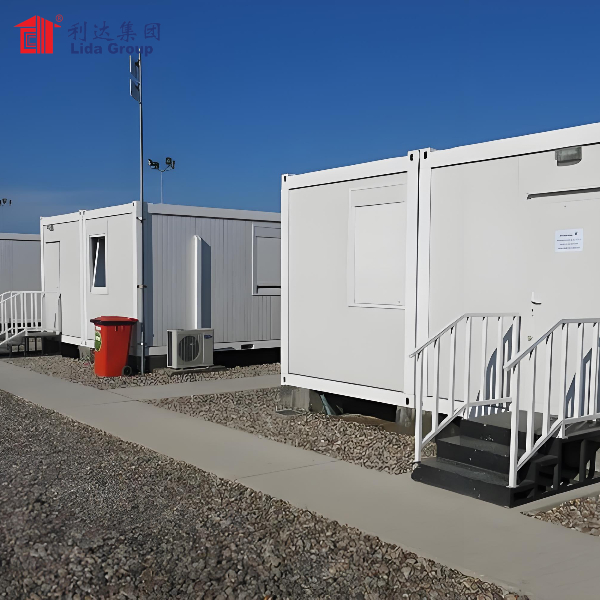
Case Studies: Successful Implementation of Customized Labor Camps
1. Construction Project in a Remote Region
A major construction company engaged Lida Group to provide customized labor camps for a large infrastructure project in a remote area. The workforce consisted of over 300 workers from diverse backgrounds.
Implementation
Lida Group designed a modular labor camp that included:
- Individual Sleeping Units: Providing privacy and comfort for workers.
- Communal Dining Hall: A spacious dining area that accommodated large groups while offering a variety of meal options.
- Recreational Facilities: A gym, game room, and outdoor lounge area to promote relaxation and socialization.
Results
The implementation of customized labor camps resulted in:
- Increased Worker Satisfaction: Surveys indicated a significant improvement in worker morale and overall satisfaction with living conditions.
- Enhanced Productivity: The company reported improved productivity levels, attributing this to the comfortable and supportive living environment.
2. Mining Operations in Challenging Conditions
In another case, a mining company operating in a remote area sought Lida Group’s expertise to create a labor camp for its workers. The project aimed to provide safe, comfortable, and functional living spaces under challenging environmental conditions.
Implementation
Lida Group developed a customized labor camp that featured:
- Durable Structures: Designed to withstand extreme weather conditions, ensuring safety and comfort.
- Community Spaces: Common areas that encouraged social interaction and team-building activities among workers.
- Health and Wellness Facilities: Access to recreational areas and health services to support workers’ physical and mental well-being.
Results
The customized labor camp led to:
- Improved Retention Rates: The company noticed a decline in turnover rates, as workers expressed greater satisfaction with their living conditions.
- Positive Community Atmosphere: The design fostered strong relationships among workers, enhancing teamwork on-site.
The Economic Benefits of Customized Labor Camps
Cost-Effectiveness
While the initial investment in customized labor camps may be higher than traditional setups, the long-term benefits often outweigh the costs. Factors contributing to cost-effectiveness include:
- Reduced Turnover: Higher worker satisfaction leads to lower turnover rates, reducing recruitment and training costs.
- Increased Productivity: Comfortable living conditions can lead to improved worker performance, resulting in higher output and efficiency.
Long-Term Investment
Customized labor camps should be viewed as a long-term investment in human capital. By prioritizing worker welfare, companies can enhance their reputation, attract top talent, and ultimately achieve better project outcomes.
The Future of Customized Labor Camps
Trends Shaping the Industry
The labor camp industry is poised for continued evolution, driven by several key trends:
1. Increasing Demand for Sustainability
As environmental concerns grow, there is a heightened demand for sustainable housing solutions. Lida Group’s commitment to eco-friendly practices positions it as a leader in this shift.
2. Technological Advancements
The integration of smart technologies into labor camps is expected to enhance living conditions further. Features such as smart thermostats, energy monitoring, and advanced security systems will become increasingly prevalent.
3. Focus on Mental Health
Recognizing the importance of mental health in the workplace, future labor camps will likely incorporate more wellness-focused designs. Spaces dedicated to relaxation, mindfulness, and social interaction will become integral components of customized labor camps.
Lida Group’s Vision for the Future
Lida Group is committed to leading the charge in the development of innovative and customized labor camps. By continually refining its designs and incorporating feedback from workers and companies alike, Lida Group aims to set new standards in worker housing.
Conclusion
The rise of customized labor camps marks a significant shift in the approach to worker accommodations. Lida Group’s innovative solutions are redefining what it means to provide comfortable, functional, and adaptable living spaces for workers. By prioritizing customization, quality, and sustainability, Lida Group is not only enhancing the quality of life for workers but also driving productivity and satisfaction in the workplace.
As industries continue to evolve, the demand for customized labor camps will only grow. Lida Group stands ready to meet this demand, ensuring that the future of worker housing is not only functional but also supportive of the diverse needs of the modern workforce. Through these efforts, Lida Group is shaping a brighter future for labor camps, where comfort and community are at the forefront of the worker experience.
Contact Us
Post time: Nov-13-2024